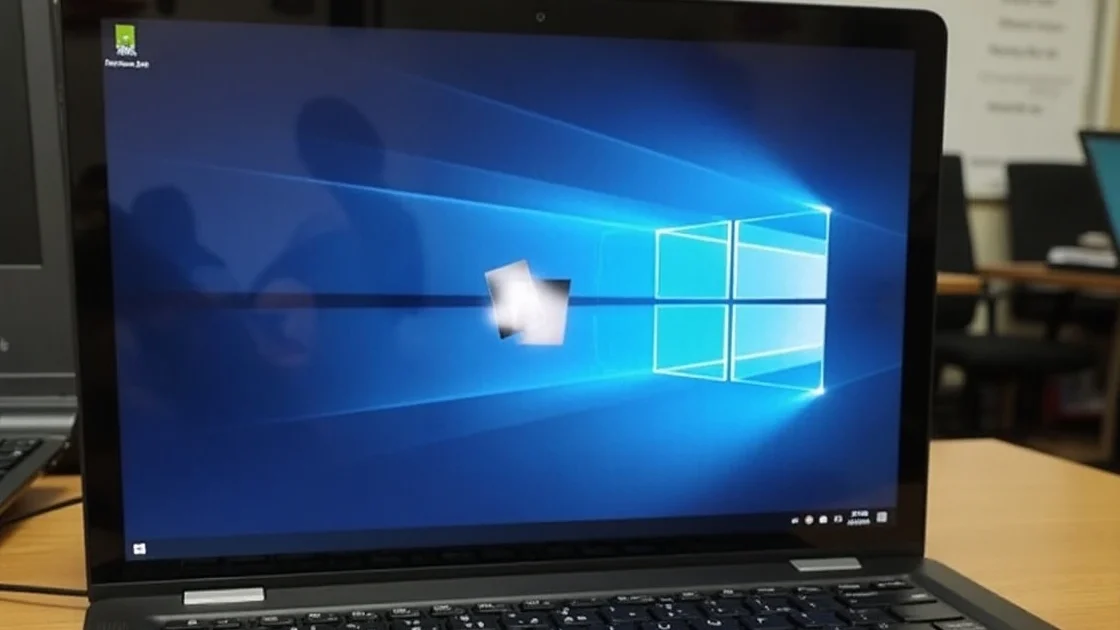
A clear, vibrant laptop screen is essential for everything from work to entertainment. But sometimes, strange Patches On Laptop Screen start to appear, affecting visibility and causing frustration. These patches can take different forms, such as white, black, or discolored spots. If you’re dealing with such screen issues, understanding their causes and solutions is key to restoring your laptop’s display quality.
Content
Common Types of Patches on Laptop Screens
There are several different types of Patches On Laptop Screen that users commonly report:
White Patches On Laptop Screen: These usually look like cloudy or faded areas and are often caused by pressure damage or internal screen defects.
Black Patches On Laptop Screen: These dark areas may result from dead pixels or liquid crystal display (LCD) leakage.
Pressure Marks On Laptop Screen: These appear when pressure is applied to the screen, either from the back of the lid, a keyboard, or during cleaning.
Identifying the type of patch helps determine the best fix and whether professional repair is necessary.
Causes of Screen Patches
Physical Pressure: One of the most common reasons for Patches On Laptop Screen is physical pressure. Closing the laptop with an object left on the keyboard or applying too much force while cleaning can cause Pressure Marks On Laptop Screen.
Dead or Stuck Pixels: Sometimes, Black Patches On Laptop Screen occur due to dead pixels. These are pixels that no longer function, and they stay black regardless of what is displayed.
Screen Bleeding or Backlight Issues: White Patches On Laptop Screen can be a sign of screen bleeding, which happens when the backlight leaks around the edges of the screen.
Liquid Damage or Manufacturing Defects: If your device has been exposed to moisture or is poorly manufactured, you may notice Patches On Laptop Screen developing over time.
How to Fix Patches On Laptop Screen
While some fixes are simple and can be done at home, others may require professional help. Here are some recommended solutions:
1. White Spot On Laptop Screen Fix
If you’re dealing with a White Spot On Laptop Screen Fix, try applying gentle pressure around the affected area using a soft cloth. This may help if the spot is caused by pressure. However, avoid pressing too hard, or you may cause additional damage.
2. How To Remove Black Spots From Laptop Screen Permanently
For How To Remove Black Spots From Laptop Screen Permanently, try using a pixel repair tool or software. Some stuck pixels can be revived using flashing color sequences or applying light pressure. If the black spot persists, it may be a dead pixel, in which case screen replacement might be the only solution.
3. Fixing Pressure Marks On Laptop Screen
To address Pressure Marks On Laptop Screen, ensure that nothing is pressing against the screen when closed. Sometimes, gently massaging the screen with a microfiber cloth can redistribute the liquid crystals. For persistent marks, a screen replacement may be required.
4. Dealing with White Patches On Laptop Screen
If the White Patches On Laptop Screen are caused by screen bleeding, adjusting your screen brightness might help minimize the visual effect. However, in most cases, the only long-term solution is a screen replacement.
5. Resolving Black Patches On Laptop Screen
Black Patches On Laptop Screen usually mean there is irreversible damage like dead pixels or internal cracks. Unfortunately, such patches often require hardware repair or replacement.
Prevention Tips
Always close your laptop gently and remove any objects from the keyboard.
Avoid placing heavy items on top of your laptop.
Use a screen protector to reduce direct pressure and scratches.
Clean your screen using a soft, microfiber cloth with gentle pressure.
By taking preventive measures and knowing when to act, you can keep your screen in top condition and avoid future Patches On Laptop Screen.
Conclusion
Patches On Laptop Screen can be a nuisance, whether they appear as white, black, or pressure-related marks. While some issues like White Patches On Laptop Screen or Pressure Marks On Laptop Screen may be resolved with gentle handling or brightness adjustments, others like Black Patches On Laptop Screen or dead pixels often require professional repair or screen replacement. Taking preventive steps—such as careful handling, avoiding pressure, and cleaning the screen properly—can help you avoid these problems altogether.
If you’re experiencing persistent issues, consider seeking professional help to ensure your laptop screen stays clear and functional. By understanding the causes and solutions, you can take control and prolong the life of your device.
Why is my laptop screen patchy?
Your laptop screen may be patchy due to pressure marks, dead pixels, or backlight bleeding. These issues often stem from physical damage, aging hardware, or manufacturing defects.
How to fix pressure spots on laptop screen?
To fix pressure spots, gently massage the area with a soft cloth. If the problem persists, you may need a screen replacement.
Why does my laptop screen have spots?
Spots on your screen can be caused by stuck pixels, physical damage, or internal LCD issues. Identifying the color and size of the spot helps determine the cause.
How to fix screen bleeding on laptop?
Screen bleeding cannot usually be fixed without replacing the screen. However, lowering screen brightness can reduce the visual impact in the meantime.
Tech enthusiast by passion and PC builder by obsession, Robert brings years of hands-on experience in customizing rigs, optimizing performance, and staying ahead of the latest hardware trends. Whether you’re a beginner or a seasoned gamer, he loves turning complex tech into straightforward, actionable insights for the BuildSuperPC community.