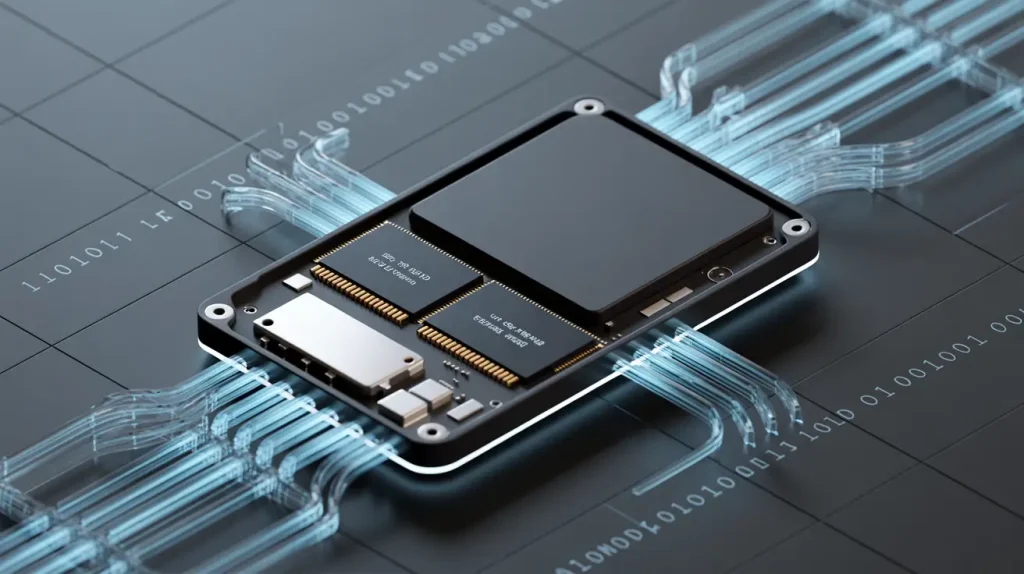
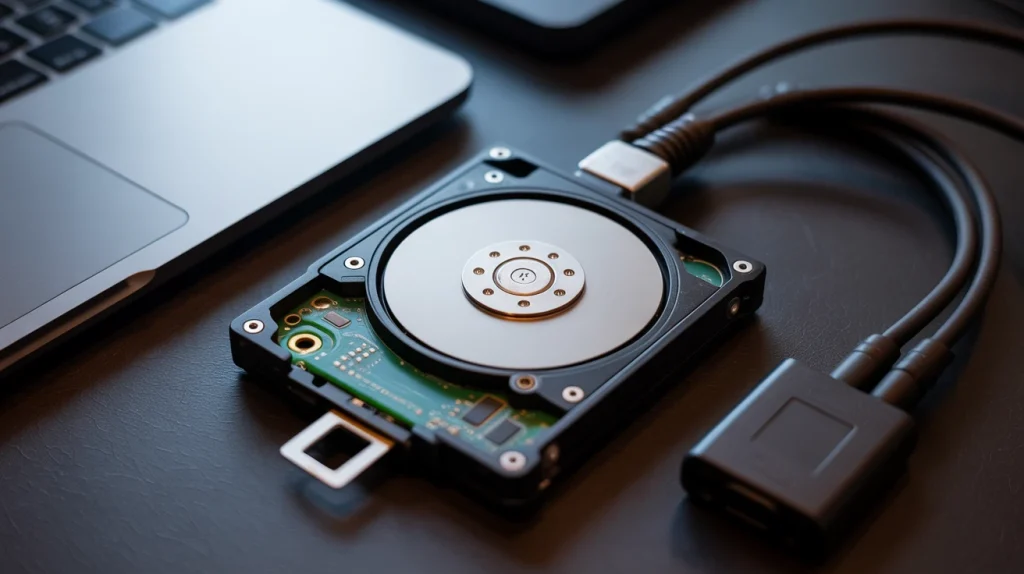
In today’s fast-moving tech world, What Is An SSD Drive is a question many computer users find themselves asking. Whether you’re upgrading an old PC or shopping for a new laptop, understanding what an SSD is and how it compares to traditional storage solutions can save you time, money, and frustration.
Content
What Is An SSD Drive?
To put it simply, a Solid State Drive (SSD) is a modern storage device that stores data on flash memory chips rather than on spinning disks, like in a traditional External Hard Drive or HDD. So, What Is An SSD Drive? It’s a faster, more reliable, and more energy-efficient alternative to the old-school hard drive.
SSDs have no moving parts, which makes them much more durable. This means your files are safer from damage due to physical shock. They’re also significantly quicker at loading programs, transferring files, and booting up your operating system.
What Is SSD Storage and How Is It Different?
Many people also ask, What Is SSD Storage compared to traditional HDD storage? The main difference lies in speed and reliability. An HDD uses mechanical parts that can wear out over time, while SSDs use flash memory. This makes SSDs nearly 10 times faster in many operations.
For example, with SSD Hard Disk storage, your computer can start in just a few seconds, and apps load almost instantly. This is why professionals working with large files—like video editors and software developers—prefer SSDs over traditional hard drives.
Choosing the Best SSD for Your Needs
When it comes to picking the Best SSD, it depends on your usage. If you’re looking for blazing speed and reliability, brands like Samsung, Crucial, and Western Digital offer high-performing drives. The Best SSD Drive will balance speed, capacity, and price.
Gaming enthusiasts or content creators might opt for NVMe SSDs, which are faster than SATA SSDs. For everyday users, even a basic SATA SSD will show a huge improvement over an HDD.
If you’re a heavy user storing massive data, the 10TB SSD could be a dream come true—though it comes with a hefty price tag. On the flip side, if portability is key, an External SSD Drive is a perfect solution. These compact devices plug into your laptop or desktop via USB-C or USB 3.0 and offer lightning-fast file access.
Comparing Largest SSD and Largest Hard Drive
While SSDs are advancing rapidly in capacity, HDDs still dominate when it comes to raw storage size. The Largest SSD available for consumers goes up to 100TB in enterprise-grade setups. However, it is extremely expensive.
If you’re more focused on storage than speed, the Largest Hard Drive options—up to 20TB—offer better value for large backups and media storage. That said, SSD prices are dropping, making them more accessible for everyday use.
Why Should You Choose an SSD?
If you care about performance, speed, and system reliability, an SSD is a no-brainer. Whether you’re gaming, working, or just browsing, the switch to SSD storage is one of the best upgrades you can make. And if you’re worried about storage capacity, combining an SSD with an External Hard Drive for bulk files is a smart move.
Conclusion
So, What Is An SSD Drive? It’s the storage technology transforming the way we use our computers. From lightning-fast boot times to reliable data handling, SSDs are now the standard for modern computing. Whether you’re after the Best SSD, a high-capacity 10TB SSD, or simply want to understand the difference between SSD and HDD, there’s an SSD solution that fits your needs. With prices coming down and options expanding, now is a great time to upgrade. For accurate upgrades, use our RAM Compatibility Checker to ensure your memory is fully supported by your system.
FAQs
What does an SSD drive do?
An SSD stores and retrieves data using flash memory, enabling faster performance and greater durability compared to traditional HDDs.
Is a 256GB SSD better than a 1TB hard drive?
Yes, for speed and performance, a 256GB SSD is better. However, a 1TB HDD offers more storage space.
Is it better to use SSD or HDD?
For speed, reliability, and energy efficiency, SSDs are better. HDDs are better for large, inexpensive storage.
What is the biggest drawback to SSD drives?
The main drawback is cost per gigabyte—SSDs are more expensive than HDDs for the same storage capacity.
Tech enthusiast by passion and PC builder by obsession, Robert brings years of hands-on experience in customizing rigs, optimizing performance, and staying ahead of the latest hardware trends. Whether you’re a beginner or a seasoned gamer, he loves turning complex tech into straightforward, actionable insights for the BuildSuperPC community.